Normal hydration, no alcohol or extremes
Drink as you normally do. Do not intentionally overhydrate or dehydrate. Avoid alcohol and excessive caffeine the day before because they can affect body water.
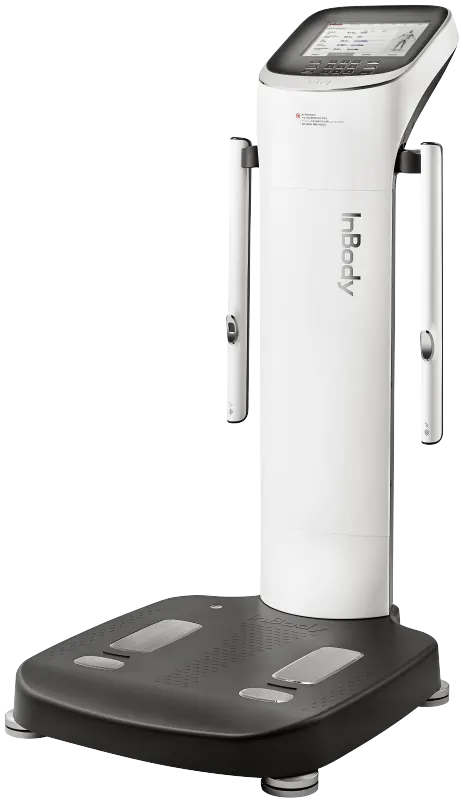
InBody 970/970S preparation
The goal is not laboratory perfection. The goal is to remove the biggest sources of variation and keep repeat visits comparable. Then your results reflect the real trend rather than a single day of hydration, food or training fatigue.
Checklist
Use this if you only need the practical version. The detailed explanation follows below.
Drink as you normally do. Do not intentionally overhydrate or dehydrate. Avoid alcohol and excessive caffeine the day before because they can affect body water.
After a very hard workout, race, sauna or heavy sweating, it is better to postpone the measurement. Major strain can change body water and glycogen for longer than a few hours.
Food and intense movement shortly before the test change body weight, water distribution, blood flow and temperature. For comparability, keep a 3-hour gap when possible.
Avoid drinking a large amount immediately before the test. If you are clearly dehydrated after waking up, drink earlier so your body has time to absorb it.
Use the restroom, stand or move normally for a few minutes and do not use lotion on hands or feet. The measurement is done barefoot.
Premium add-ons
Premium adds Max Pulse, the BPBIO750 blood pressure monitor and InGrip next to InBody. The core InBody preparation still applies; for the resting cardiovascular tests, calm arrival, caffeine, nicotine and rushing right before the visit matter even more.
Ideally avoid hard training, alcohol and a large caffeine dose in the hours before testing. Sit quietly for a few minutes before the reading, do not talk or move, breathe normally and, if possible, avoid nail polish or gel on the finger used by the sensor.
Avoid exercise, nicotine and coffee or energy drinks for at least 30 minutes before the reading. Use the restroom, sit quietly for a few minutes and do not talk during the test. Blood pressure is sensitive to rushing, stress, a full bladder and body position.
Grip strength testing does not require a special routine. Just follow the staff instructions for both hands. If you have pain, a recent hand injury or want to compare strength over time, mention it before testing so the result has the right context.
InBody uses bioelectrical impedance analysis. The device sends a very low electrical current through electrodes and measures resistance in body segments. Water conducts differently than fat tissue, so hydration, food, exercise, skin temperature and electrode contact all matter.
Dehydration can make fat-free mass appear lower. Sudden overhydration can make some values look better than your usual baseline.
After exercise, blood flow, temperature, sweating and muscle glycogen can all change. This can affect muscle mass, body fat percentage and segmental outputs.
Stomach, bowel and bladder contents are not muscle or fat, but they still contribute to current body weight. That is why meal timing and restroom use matter.
Socks, pantyhose, oily lotion, very dry skin or calluses can reduce conductivity. Feet and hands need clean direct contact with electrodes.
Practical preparation
The best trend data comes from a normal day. Do not experiment with water, salt, carbohydrates or supplements just because you are testing.
Morning and evening results can differ because body water shifts during the day. For comparison, consistency matters more than a perfect time.
After long sitting or lying down, give your body a few minutes to settle fluid distribution. A short walk and reception wait usually help.
Bladder and bowel contents add temporary weight. It is a small step, but useful for repeat measurements.
Height is part of the evaluation. Enter it accurately on the first test and keep it consistent on later visits unless it has truly changed.
Guidance varies between 2 and 3 hours. At MojeInBody, we recommend aiming for 3 hours when you want reliable comparison over time.
Avoid exercise for at least 3 hours. After a very hard workout, race, long run or heavy strength session, postpone until the next day or full recovery.
Alcohol and high caffeine intake can act as diuretics. A single usual morning coffee is less of an issue if you keep conditions consistent every time.
Heat, cold and sweating change skin blood flow and body water. Wait until your body returns to its normal state.
Oily skin reduces electrode contact. If your skin is dry, use an InBody wipe on site rather than applying cream.
Low-carb dieting, very salty meals, glycogen depletion or sudden hydration changes can shift muscle water. Note it if anything changed.
Safety
InBody uses a weak electrical current. For healthy people, the test is non-invasive, but some situations require postponing or medical consultation. If you are unsure about measurement safety, consult your doctor before the visit.
The measurement is done in regular clothing, but barefoot. The scale sees your current total weight, so heavy items can shift the result.
Light T-shirt, leggings, shorts or light trousers. If you want to minimize the effect of clothing on body weight, you can also test in underwear. For repeat testing, wear a similar type of clothing each time.
Shoes, socks, pantyhose, watch, heavy jewelry, belt, hoodie or jacket, phone, wallet, keys and anything heavy in pockets.
Feet and hands need direct contact with electrodes. Socks, pantyhose, oily cosmetics and very dry skin can reduce contact quality.
Stand upright on the foot electrodes, hold the handles and keep your arms slightly away from your body. Stay still and do not lean on anything.
One test is a good baseline. InBody becomes most valuable when you compare visits under similar conditions.
Different devices and models can produce different outputs. For trends, stick with the same InBody 970/970S line and process.
If your first test was in the morning before breakfast, repeat that. If afternoons work for you, keep the afternoon routine consistent.
Small changes between two visits can be water, food, menstrual cycle or recovery. Several measurements tell a clearer story.
During active training or nutrition changes, 2-4 weeks can make sense. For slower tracking, 4-6 weeks is often enough.
You do not need to cancel every visit because the day was not ideal. Just keep the context with the result.
Even imperfect conditions can start your history. Just remember what may have influenced the numbers.
When you want to evaluate progress, prepare more consistently next time. Comparability matters more than the absolute number.
Training, menstruation, sauna, illness, poor sleep or a large meal are not failures. They are context for your own comparison. In the online portal you can add a note to every measurement and tag the context, such as after training, illness or a diet change.
No need to starve all day. Avoid a large meal for about 3 hours. If you come in the morning, testing before breakfast is very comparable.
Avoid high caffeine intake. If one regular morning coffee is part of every test day, consistency is more important than a one-off ritual change.
It can shift water-related values. For long-term trends, test outside menstruation or at least in the same cycle phase.
Implanted electronic devices are a major contraindication. Non-electronic metal implants may mainly affect segmental outputs.
Not immediately after a shower, hot bath or sauna. Heat, cold and sweating change blood flow and body water. Wait until your body is back to normal.
Have your last meal about 2–3 hours before the test, and keep it light rather than a large meal or a lot of fluids at once. Food and drink consumed right before testing can temporarily skew results because they affect hydration and tissue conductivity.
It's best to avoid alcohol for at least 24 hours before the test. It affects your body's hydration, which can distort the measured body water and your overall result.
Avoid intense exercise for at least 3 hours before the test — sweating and fluid shifts into the muscles temporarily change the results. After a very hard training session, a race or a sauna, it is better to postpone the measurement to the next day. If you're retesting for comparison, try to keep a similar activity level before the test each time.
The gold standard is testing in the morning, fasted, right after waking up and using the bathroom, when the body is most stable. If you test repeatedly, keeping the same time of day and similar conditions each time matters even more than the exact hour, since that's what keeps results comparable.
Postpone it if you have a fever or an acute illness, have just had intense physical exertion, or recently used a sauna or hot bath — all of these change hydration and can meaningfully distort the result. If you have health concerns or are unsure, check with a doctor or the professional performing the test.
No booking needed
Create your account before the first visit, come under similar conditions and keep your measurements in the portal. The trend is where InBody becomes most useful.