ARENA GYM Jinonice(closed today)ARENA GYM Centrum(coming soon)

Max Pulse Medicore

Now available

HRV, vascular condition and stress-load testing in Prague.

Max Pulse in Prague adds a cardiovascular and autonomic layer to InBody. A short non-invasive finger measurement helps describe pulse wave shape, vascular elasticity, heart rate variability, stress load and recovery context.

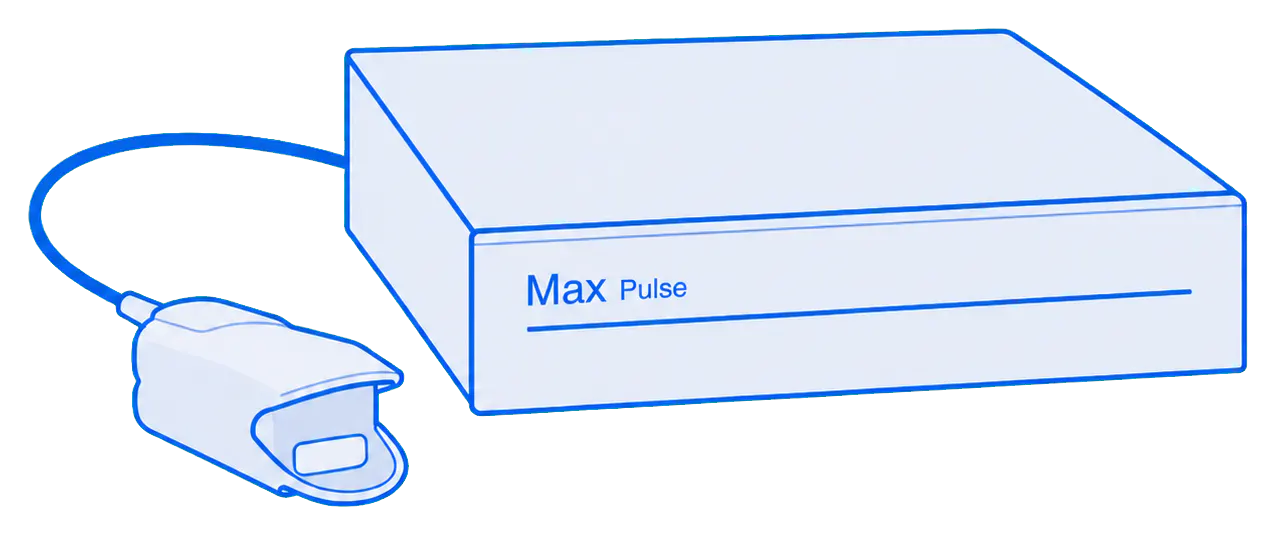
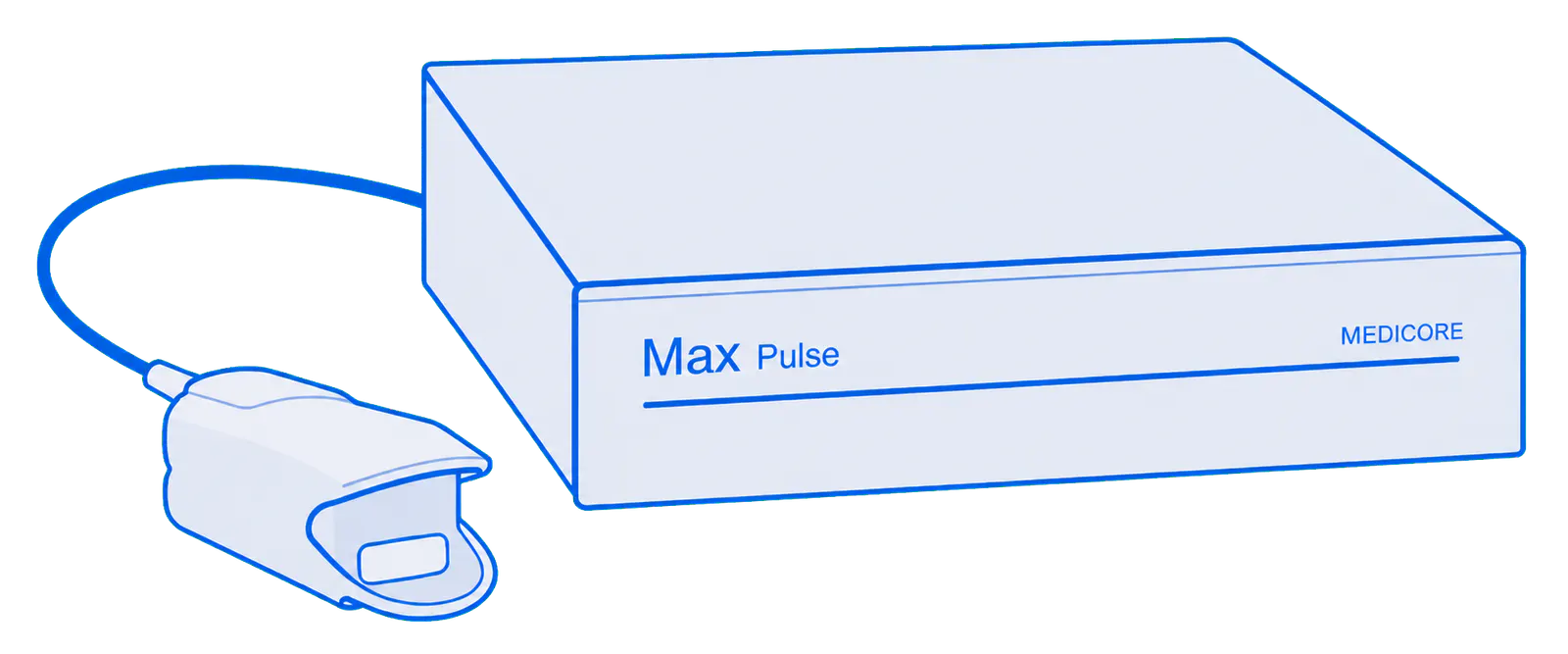
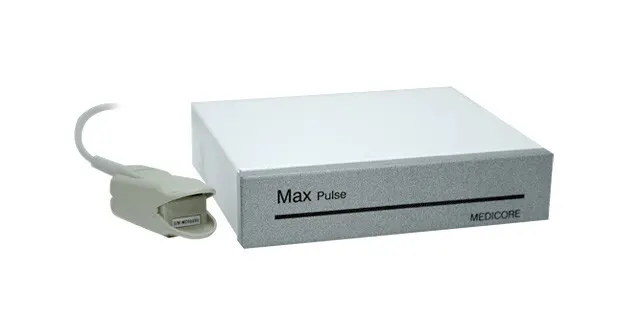
MaxPulse Medicore device with finger probe
< 5 min

short resting measurement

PPG

left index finger sensor records the pulse wave

HRV + APG

heart rate variability and accelerated pulse wave analysis

Overview

What Max Pulse measures

Max Pulse works with non-invasive heart rate variability, vascular condition and stress-load assessment. For clients, the key point is that this is not another body-composition test: it reads pulse-wave and heart-rhythm signals.

Vascular condition

The APG and PPG layer works with pulse-wave morphology. The output describes wave type, arterial elasticity (AE), peripheral elasticity (PE) and vascular condition indicators.

  • arterial elasticity (AE)
  • peripheral elasticity (PE)
  • seven-level pulse-wave type

Stress and recovery

The HRV layer follows beat-to-beat interval variation. Max Pulse uses it for physical stress, mental stress, fatigue and stress-resilience indicators.

  • HRV tachogram
  • fatigue index
  • physical and mental stress

Autonomic nervous system

The output separates sympathetic and parasympathetic activity. In simple terms, this is the balance between activation and recovery.

  • ANS activity
  • SNS and PNS
  • autonomic balance

Heart rhythm as a signal

The output includes average heart rate, pulse-wave analysis and rhythm warnings. Suspicious findings belong with a physician.

  • average heart rate
  • arrhythmia warning
  • electro-cardiac stability

Process

How the measurement works

The test is short, non-invasive and done at rest. The device uses a PPG finger probe: optical sensing of blood-volume changes during the cardiac cycle.

Max Pulse display and controls

The display and printout combine vascular, stress and history views.

1. Rest

The cleanest reading comes after a short quiet period. Sitting calmly and not talking helps the signal stabilize.

2. Finger probe

The specification places the PPG probe on the left index finger. The finger should not have anything that blocks optical sensing.

3. Pulse-wave recording

Max Pulse records the pulse wave and beat intervals. Movement, talking or forced breathing can distort the result.

4. Result sheets

The output separates vascular data, stress/HRV data and history. Repeat testing under similar conditions is the most useful.

Results

What the result includes

Unlike a simple blood-pressure reading, Max Pulse combines several layers. The numbers make the most sense when read together and in context.

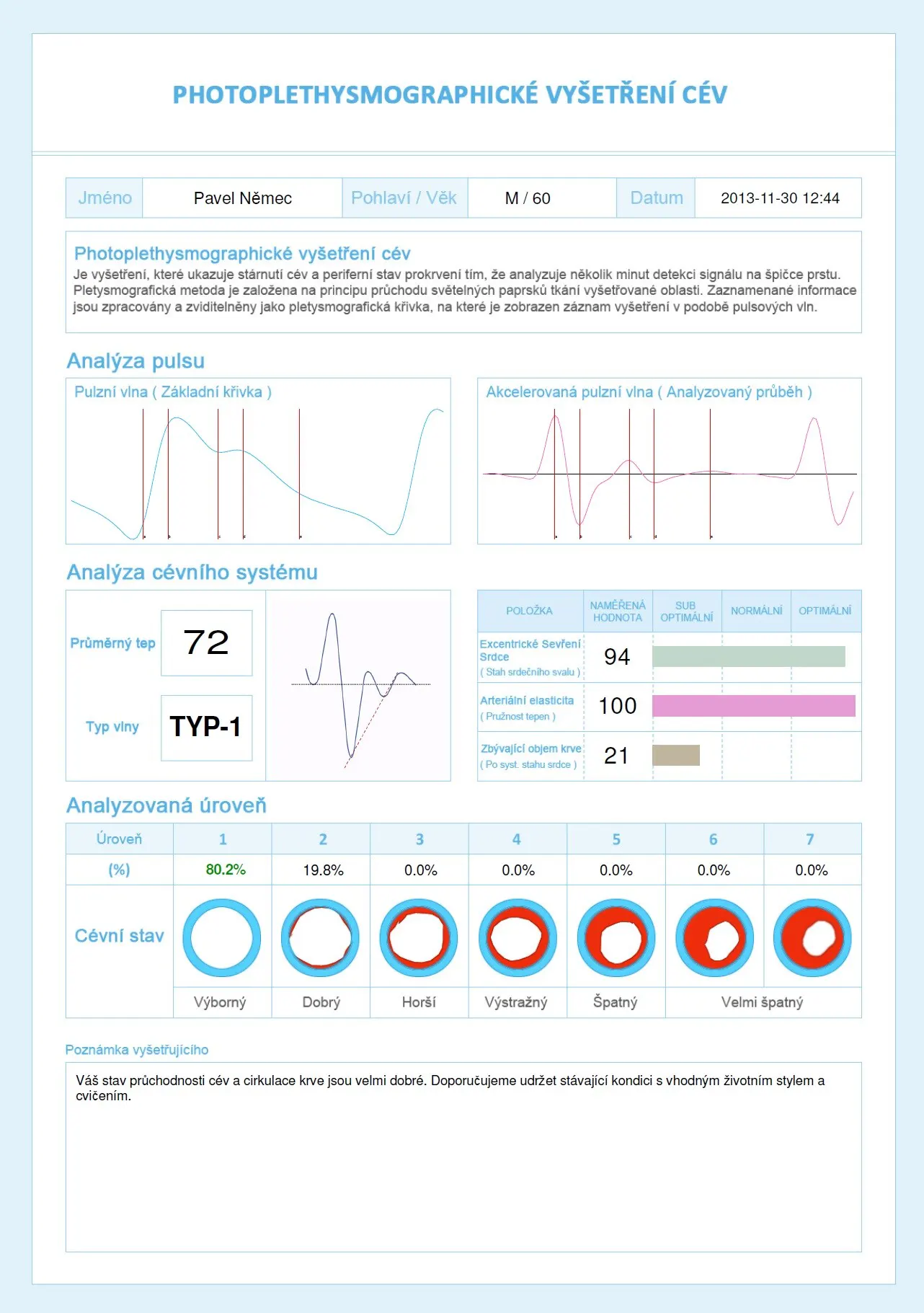
Sample Max Pulse vascular result sheet

Vascular result sheet with pulse wave and elasticity values.

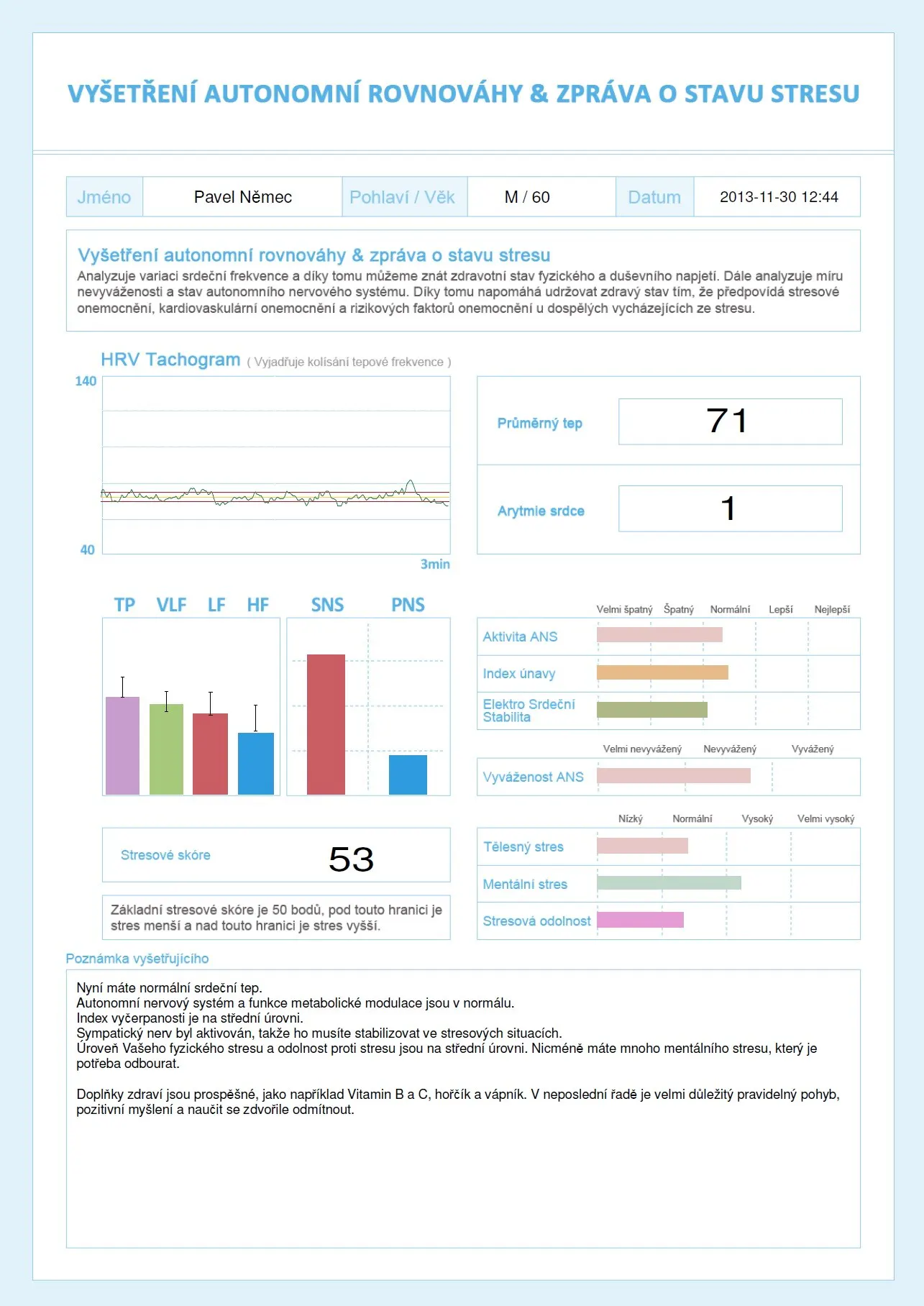
Sample Max Pulse stress and HRV result sheet

Stress and HRV result sheet with autonomic regulation.

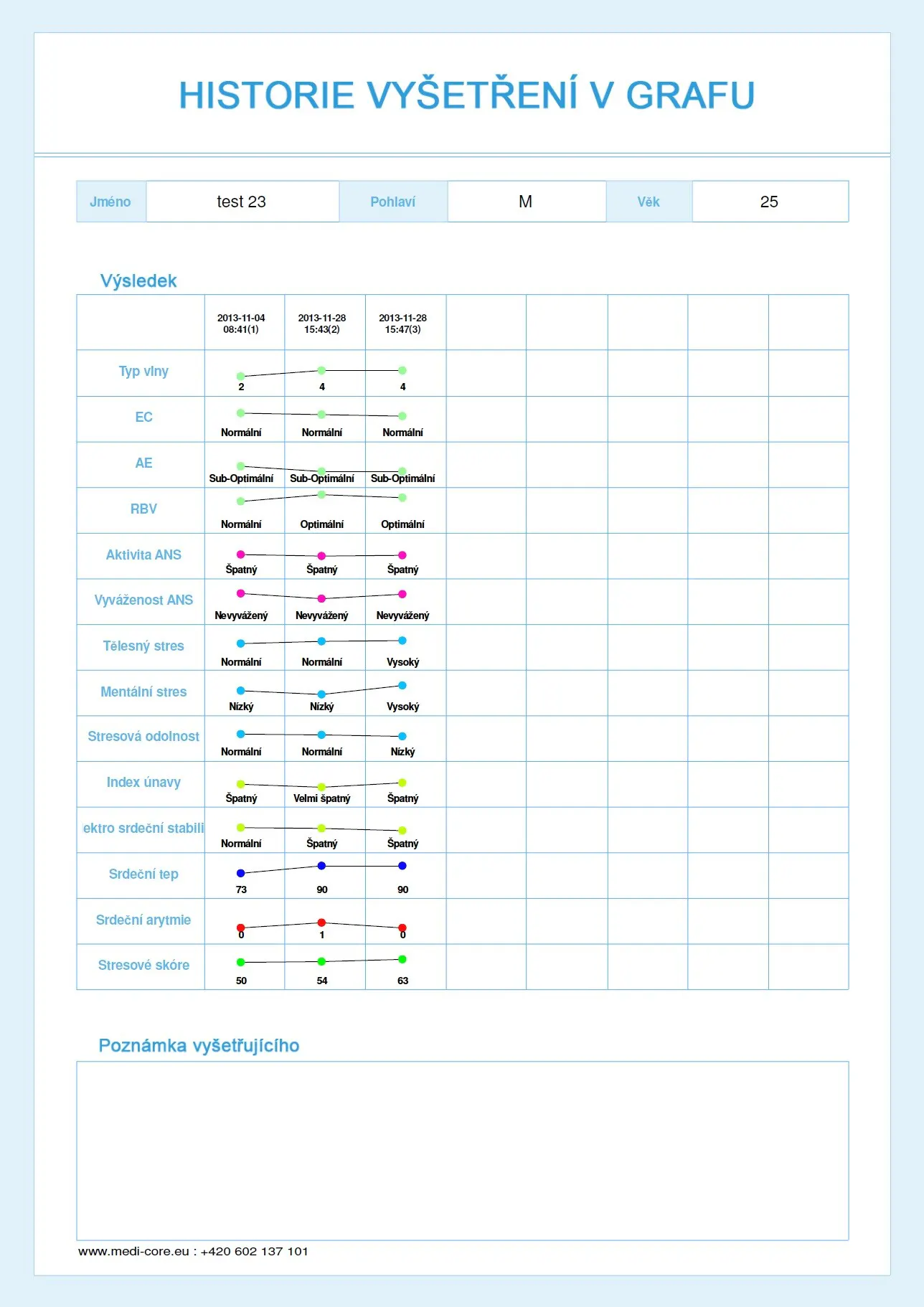
Sample Max Pulse history result sheet

History helps read the result as a trend, not as an isolated snapshot.

Vascular output

The vascular sheet works with pulse-wave shape. The trend is often more useful than one isolated result.

  • wave type (1–7)
  • arterial elasticity (AE)
  • peripheral elasticity (PE)
  • vascular status in percentages and levels

Stress output

The stress sheet summarizes HRV metrics and autonomic regulation. It helps separate acute load, fatigue and weaker recovery from normal day-to-day variation.

  • physical stress
  • mental stress
  • stress resilience
  • ANS activity

History and repeat testing

History matters because one reading can be influenced by sleep, caffeine, training, illness, alcohol or emotional stress.

  • comparison over time
  • clearer trend context
  • tracking the effect of lifestyle changes

Want to add stress, vascular and recovery context to InBody?

Create your account in advance and keep results together. The first and next Prague visits will then have clear context and repeat testing will say more than one snapshot.

Result

How to read results without overclaiming

Max Pulse is a screening and trend tool. It can show a signal worth attention, but it does not replace internal medicine, cardiology or neurology care.

One test is not a diagnosis

HRV and pulse-wave readings are sensitive to current state. A weaker reading after poor sleep, infection, hard training or a stressful day may not be a long-term problem.

Trend beats isolated numbers

Repeat testing under similar conditions is more useful than a single score. It helps separate random variation from a meaningful change.

The vascular layer needs context

Read the result alongside blood pressure, blood tests, age, smoking, activity, sleep and family history.

Warning symptoms are not a screening matter

Chest pain, shortness of breath, repeated palpitations, fainting or known arrhythmia should be handled by a physician.

InBody diagnostics

How it fits into our offer

Each device answers a different layer of the picture. The most useful view comes from reading them as complementary measurements, not substitutes.

Max Pulse

Pulse wave, HRV, stress regulation and autonomic nervous system balance.

Preparation

How to prepare for a cleaner result

The more stable the conditions, the more useful repeat comparisons become.

  • Rest quietly for a few minutes before testing.
  • Do not talk or move during the test, and breathe normally without deliberate deep breathing.
  • Avoid coffee, smoking and stimulants for several hours before testing.
  • Avoid alcohol the day before and do not test immediately after a meal.
  • The probe finger should not have nail polish or nail treatment that interferes with optical sensing.
  • If you have arrhythmia, heart disease or unusual symptoms, discuss the result with a physician.

Specifications

MaxPulse Medicore technical data

Core device parameters at a glance.

Method
Photoplethysmography, evaluating pulse waves through light passing through the vessel.
Probe placement
PPG probe on the left index finger.
Main functions
HRV analysis and APG analysis.
Outputs
Pulse wave, wave type, arterial (AE) and peripheral (PE) elasticity, vascular status, HRV tachogram, ANS activity and balance, physical and mental stress, stress resilience, stress score.
Measurement time
Less than 5 minutes.
Measurement modes
45 s (vascular / APG only) or 3–5 min (vascular plus HRV / stress).
Age range
6-99 years.
Heart-rate range
30-300 bpm.
Size and weight
150 x 120 x 35 mm, approximately 650 g.
Accuracy
+/- 2%.

FAQ

Max Pulse FAQ

Is Max Pulse a medical examination?

Not in the MojeInBody service context. We treat it as an orientation and trend measurement, not as diagnosis or treatment.

Does it make sense to add Max Pulse on a first visit?

Yes, if you want more than body-composition numbers and care about recovery, stress regulation or vascular context. Its biggest value still comes from repeat testing under similar conditions.

Does it hurt?

No. A probe is placed on the finger and optically records the pulse wave. Staying still matters most.

What do the AE and PE values mean?

AE is the elasticity of arterial (larger) vessels and PE the elasticity of peripheral (smaller) vessels. For both, a higher value reflects better elasticity. It is orientation context, not a diagnosis.

What can distort the result?

Movement, talking, caffeine, smoking, alcohol, hard training, illness, poor sleep, stress, forced breathing or poor finger sensing.

Is repeat testing useful?

Yes. One reading is a snapshot; repeat testing under similar conditions is much better for trend tracking.

Is it better to start with Max Pulse or with InBody?

In most cases it is better to start with InBody and add Max Pulse as the next layer. InBody gives the baseline body map; Max Pulse adds HRV, stress and vascular context.

Is Max Pulse better than InBody 970 or InGrip?

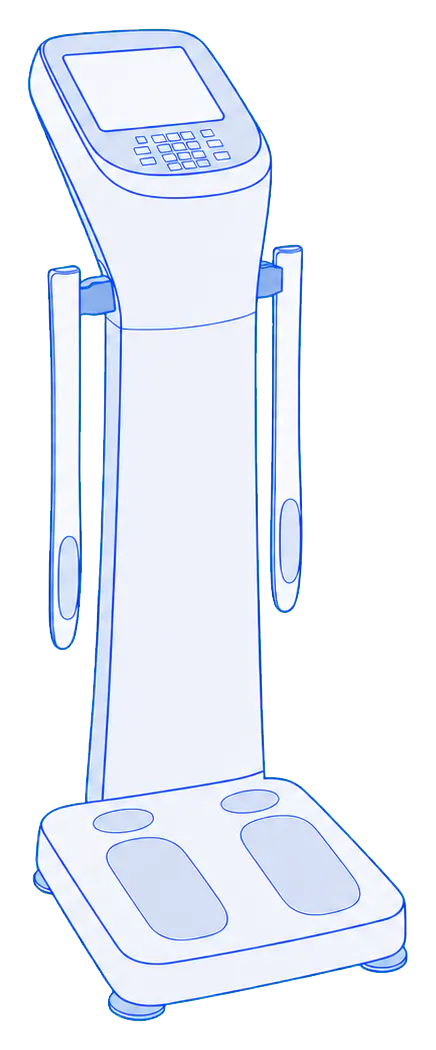
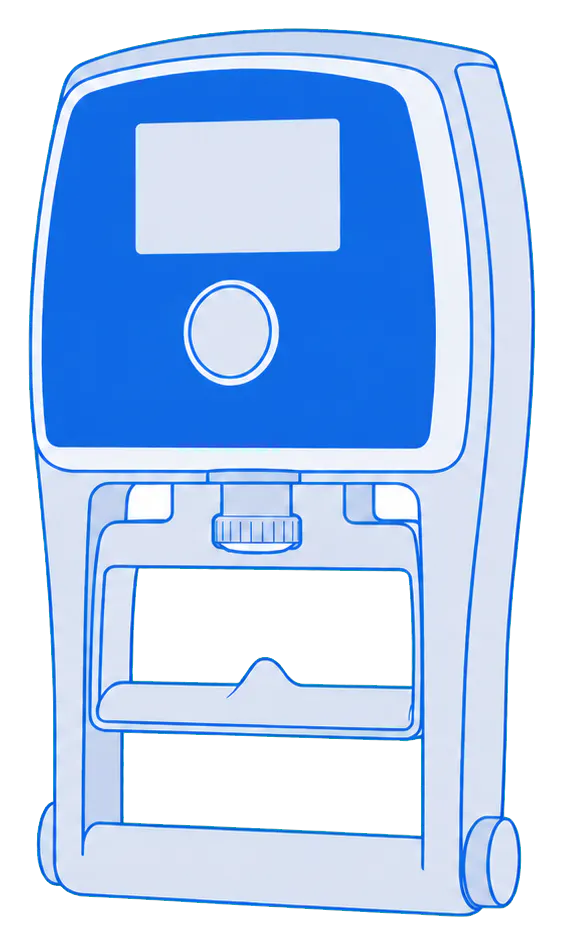
They are not replacements. InBody 970 measures body composition, InGrip measures grip strength and Max Pulse measures HRV, stress regulation and vascular signal.

When should I talk to a doctor?

If you have known arrhythmia, heart disease, repeated symptoms or a very unusual result. Screening should not replace healthcare.

No booking needed

Want to add vascular, stress and recovery context to InBody in Prague?

Start before your first visit and decide during the measurement whether you want to add Max Pulse as well. The result is most useful when you track it over time together with body composition, sleep, training and recovery.

Resting measurement · trend on repeat visits