Systolic pressure
The upper number shows pressure when the heart pushes blood into circulation. It can react to stress, effort, caffeine and long-term blood-pressure status.
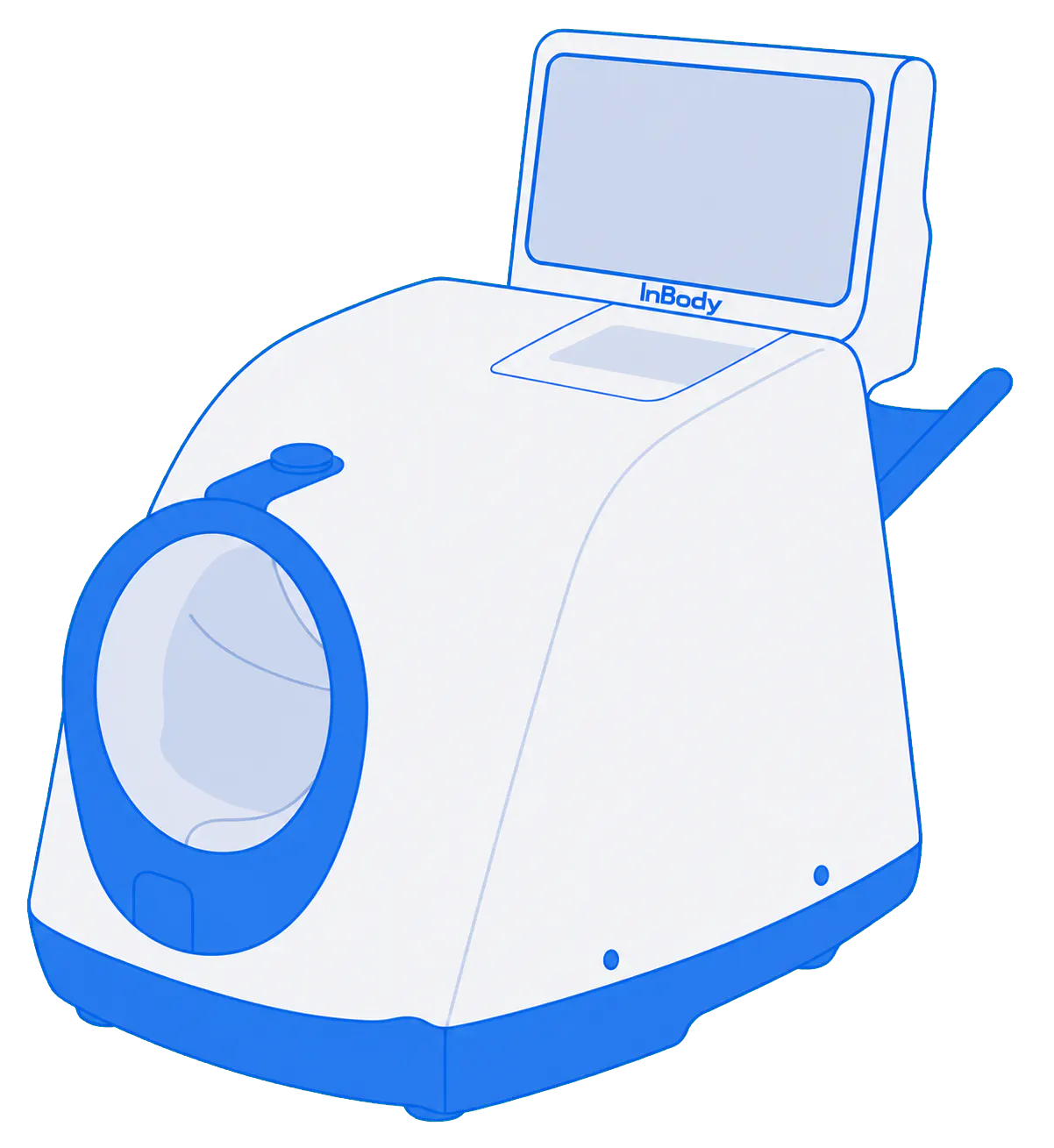
InBody BPBIO750
Included in Premium measurementThe BPBIO750 monitor in Prague adds a basic blood-pressure and pulse layer to InBody. It fits well when you want to see systolic pressure, diastolic pressure, pulse and a few derived values alongside body-composition and other measurements.
BPBIO750 is included in Premium measurement. You can add it to a standard measurement or a MultiSport visit.
blood-pressure measurement range
pulse measurement range
plus pulse, MAP, PP and RPP on the printout
Overview
At first glance it is a simple measurement, but it helps to know what each number means. One value alone is not the whole story, while repeat testing in context can be very useful.
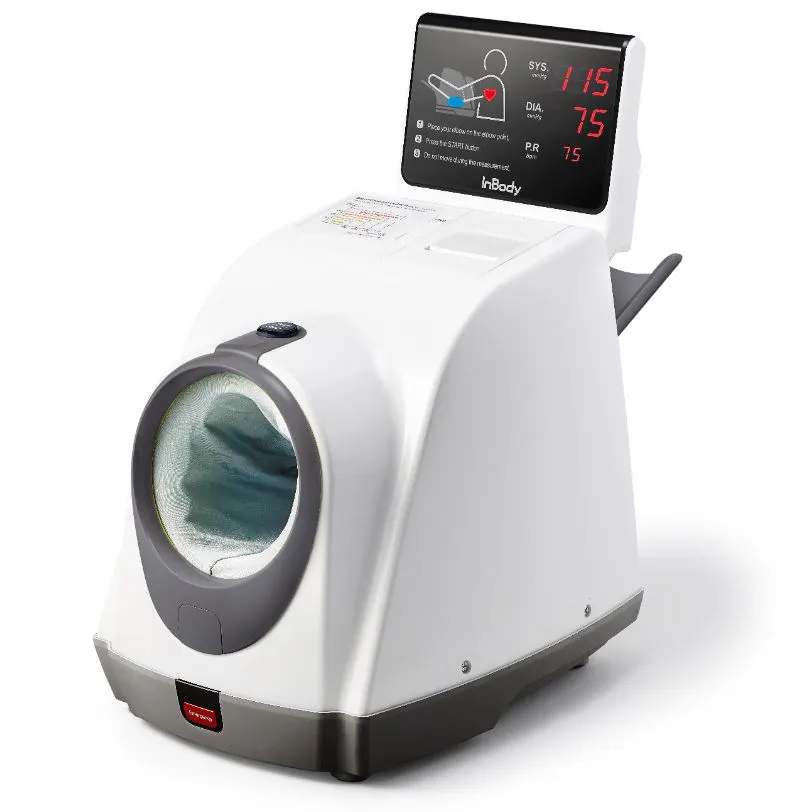
The actual InBody BPBIO750 with integrated cuff, display and result printer.
The upper number shows pressure when the heart pushes blood into circulation. It can react to stress, effort, caffeine and long-term blood-pressure status.
The lower number shows pressure between beats. It adds context about vascular resistance during the resting phase of the cycle.
The output also includes heart rate and a pulse graph. Together with blood pressure, it helps show whether the state is calm, activated or unsettled.
MAP is mean arterial pressure, PP is pulse pressure and RPP roughly reflects cardiac workload from pressure plus pulse. Useful additions, not diagnoses.
Process
The test is quick and non-invasive. The biggest difference in quality comes from a calm body state and correct position during cuff inflation.
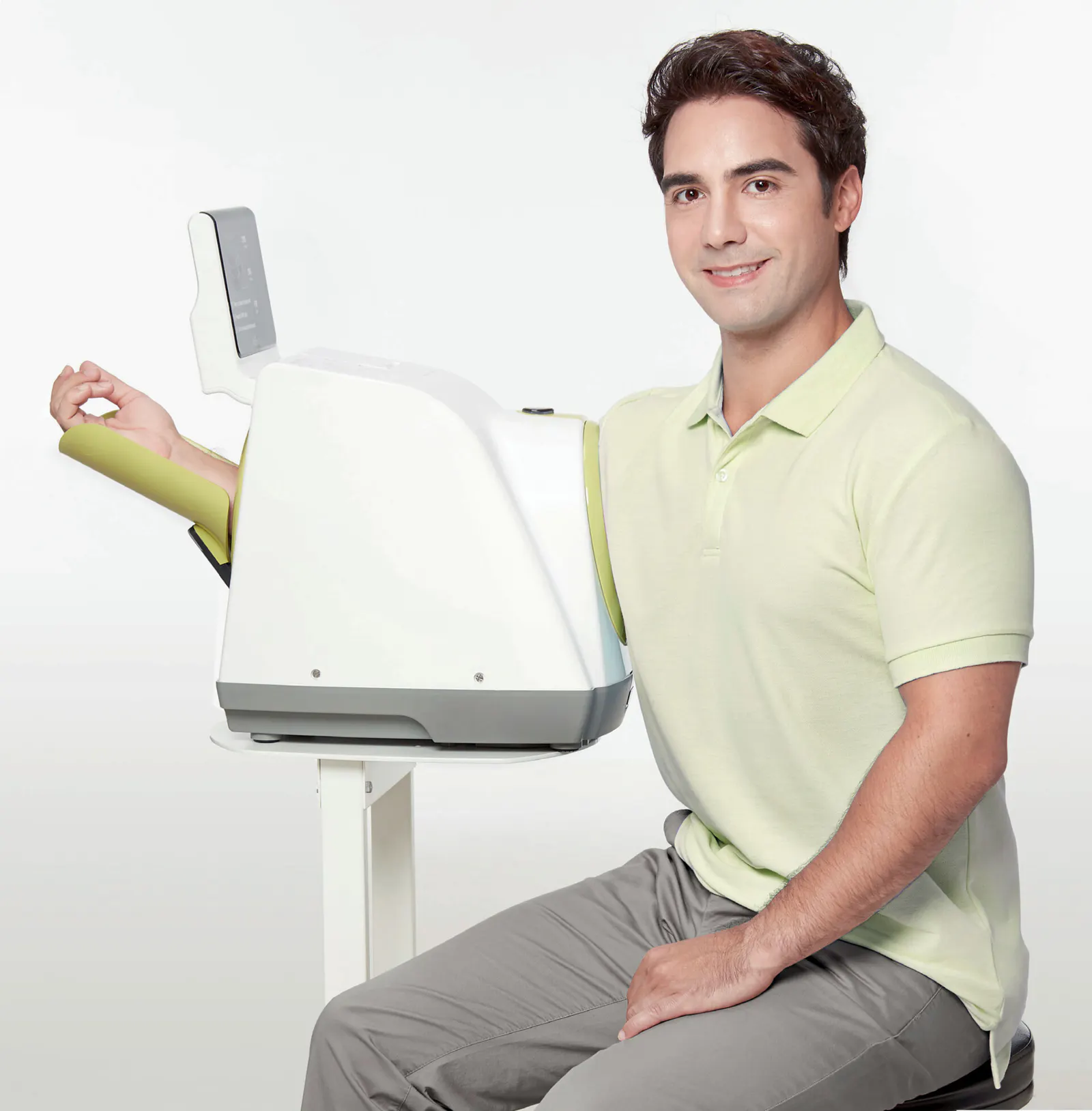
During the test the arm stays relaxed inside the cuff and the body stays still.
Sit quietly for a few minutes before the test. Blood pressure reacts quickly to stairs, walking, stress and conversation.
The arm goes into the cuff inside the device and stays relaxed. Try not to tense your shoulders or lean forward.
The cuff inflates automatically, the device reads pressure and pulse and prints the result within moments.
The value makes the most sense next to other measurements, your current state and repeat tests on different days.
Results
The printout is not only upper and lower pressure. Several simple values work best when read together.
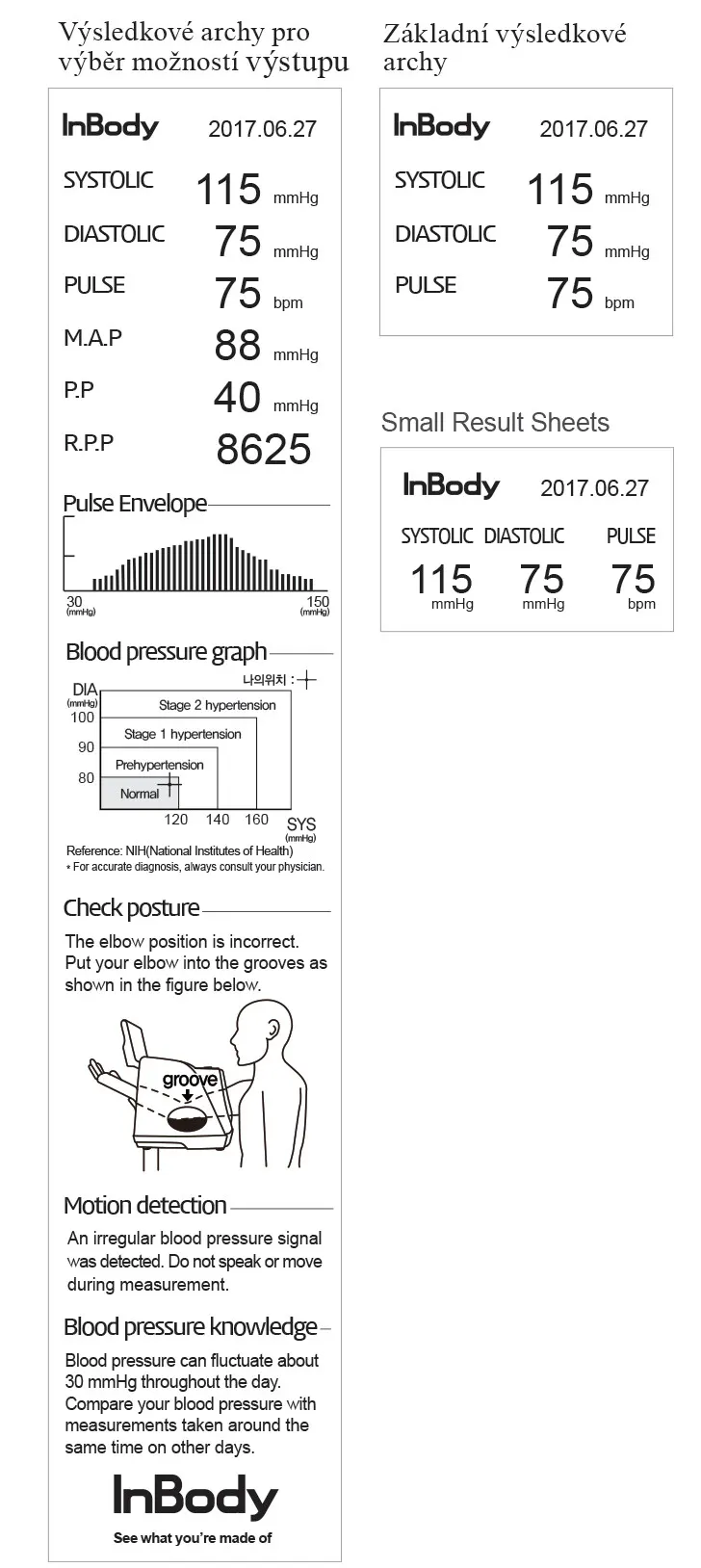
The printout includes systolic, diastolic, pulse and supporting values.
The main pair of numbers. It answers what the pressure is during blood ejection and what it is between beats.
Pulse adds context about how fast the heart is working at that moment. A higher rate after stress or movement may not be a problem, but it changes interpretation.
PP, MAP and RPP help read pulse-pressure width, average pressure load and the combination of pressure with heart rate.
Create your account in advance and keep both your InBody and blood pressure results in history within the same visit context.
Result
Blood pressure is sensitive to current state. One high or low value is not automatically a problem, but it should not always be ignored either. Trend, symptoms and context matter.
Stress, hurry, coffee, smoking, a full bladder or brisk walking just before the test can raise blood pressure for a while.
If higher or lower values repeat under similar conditions, they carry more weight than a one-off fluctuation.
A mildly elevated reading without symptoms is different from a marked deviation together with headache, chest pressure, shortness of breath or dizziness.
Repeatedly high pressure, very low pressure with weakness or unusual symptoms belong with a physician. This test does not replace care.
InBody diagnostics
Each device answers a different layer of the picture. The most useful view comes from reading them as complementary measurements, not substitutes.
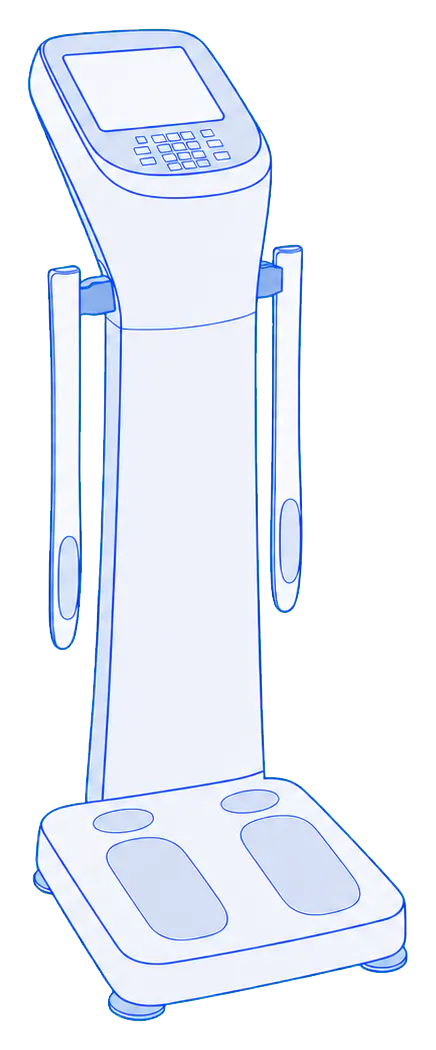
Body composition, muscle, fat, water, segmental detail and trend tracking over time.
Blood pressure, pulse and a quick resting pressure picture.
Preparation
Blood pressure changes quickly. If you want a reading that compares well with future visits, a simple routine helps a lot.
Specifications
Core device parameters at a glance.
Articles
Practical guides on measurement technique, systolic and diastolic pressure, home readings and daily blood pressure variation.
FAQ
It is enough for a quick orientation, but repeat readings and context are much more useful. Blood pressure changes during the day and with the situation.
Higher diastolic pressure should be read in context with the full result, repeat testing and symptoms. One stressed reading may not equal a long-term issue, but repeated higher values deserve follow-up.
Yes. Hurry, nervousness or conversation right before the test can temporarily raise blood pressure.
Yes. InBody and the blood pressure monitor complement each other well in the same visit context. Alongside body composition you immediately see pressure and pulse in one overview.
They are derived values from pressure and pulse. They expand the basic systolic/diastolic pair, but they do not diagnose by themselves.
With repeatedly high or low blood pressure, known hypertension or when the result comes with headache, shortness of breath, chest pressure, weakness or dizziness.
The blood pressure monitor gives the core pressure picture. Max Pulse adds HRV, pulse-wave, vascular elasticity and stress-regulation context.
Measurement in Prague
The BPBIO750 monitor is available next to InBody. Create your account, come in without booking and add blood pressure and pulse straight to your visit.