Body Recomposition: Why the Scale Won't Move Even Though Your Body Is Changing
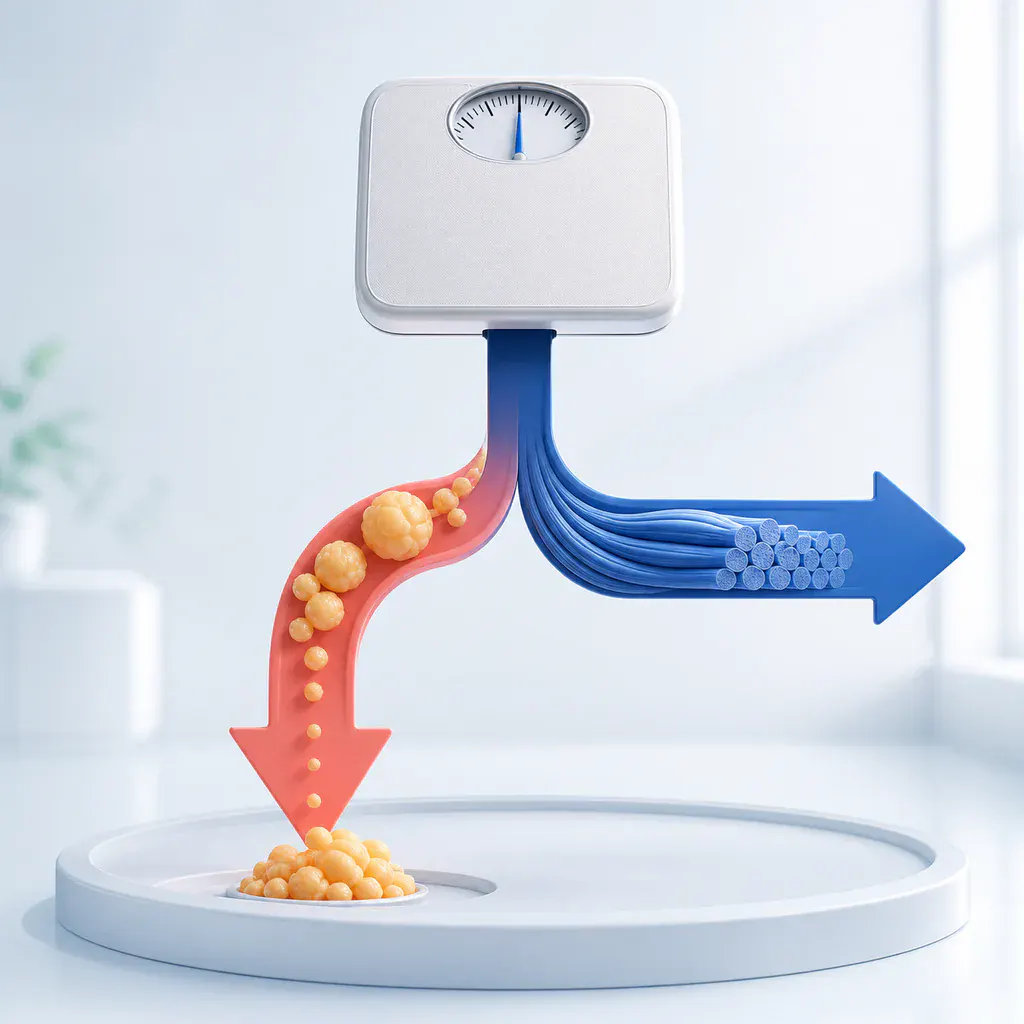
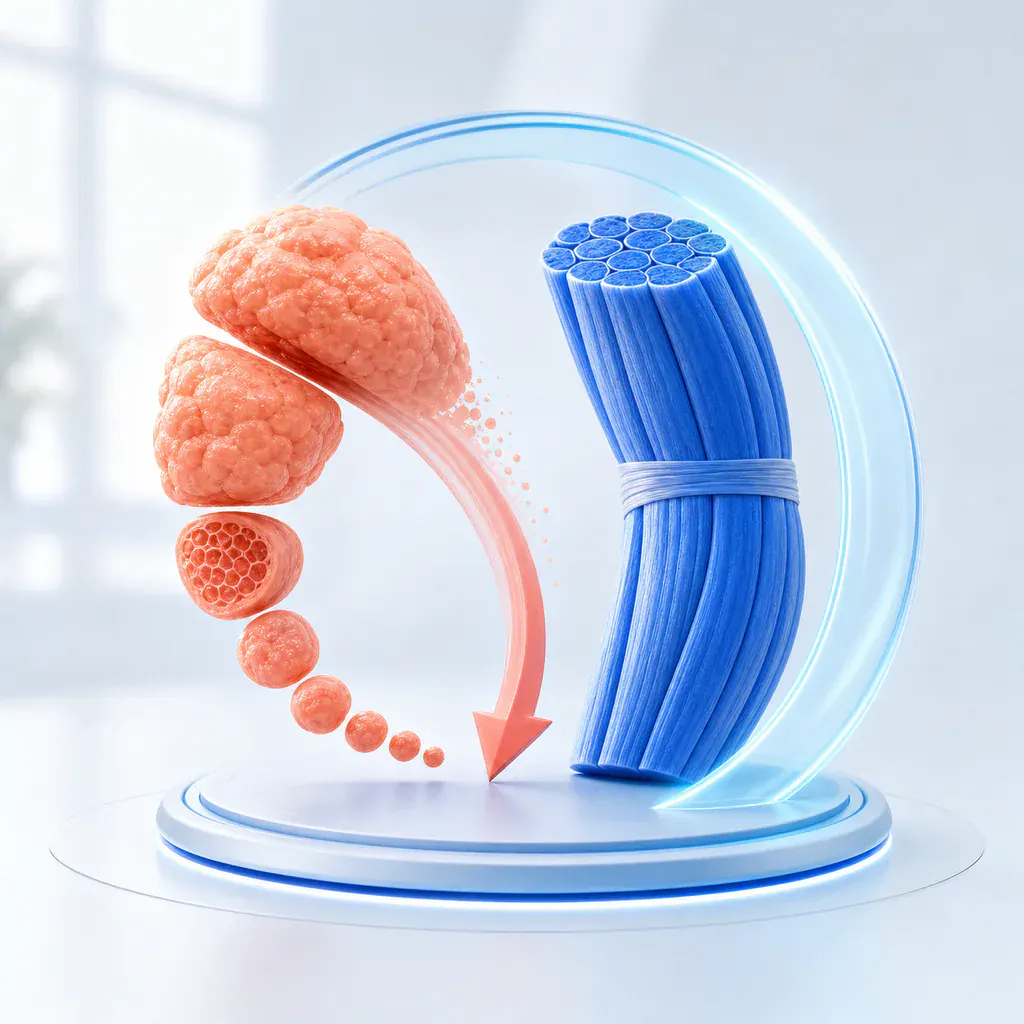
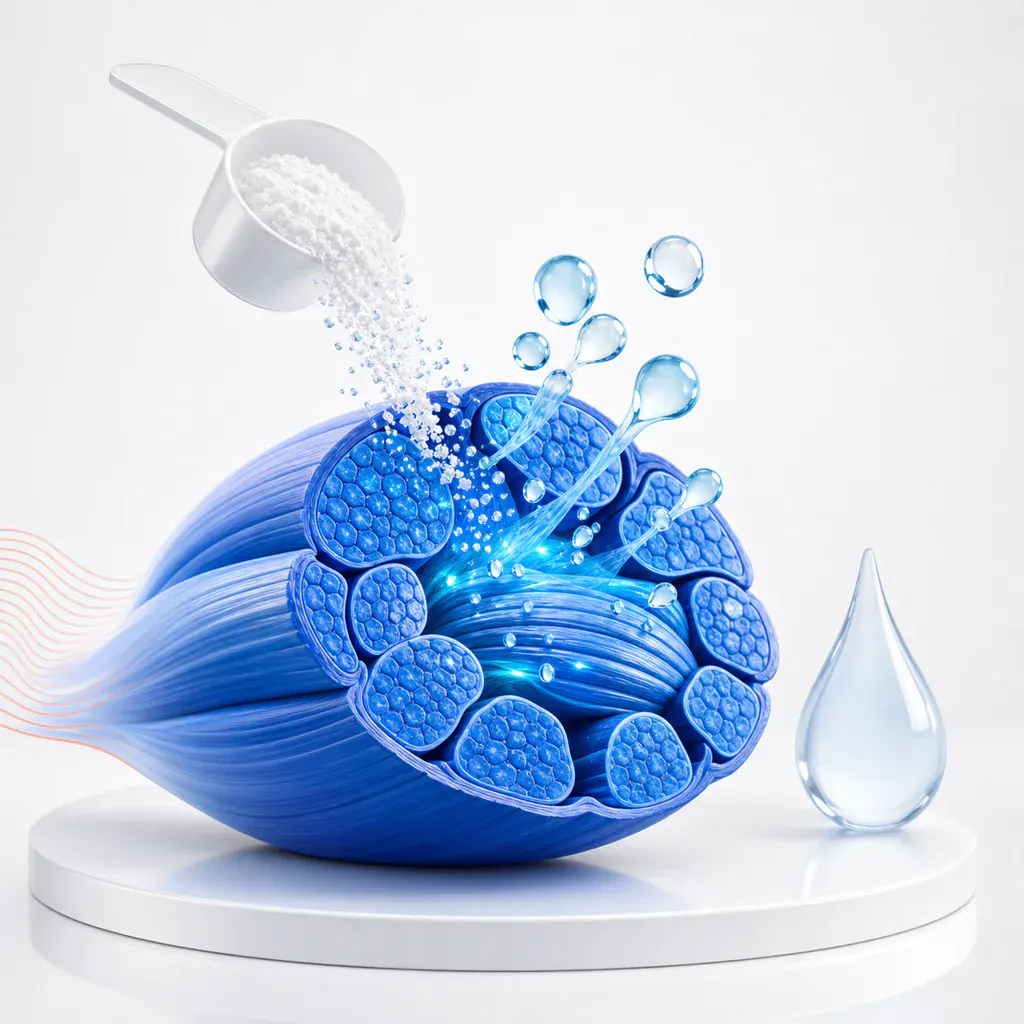
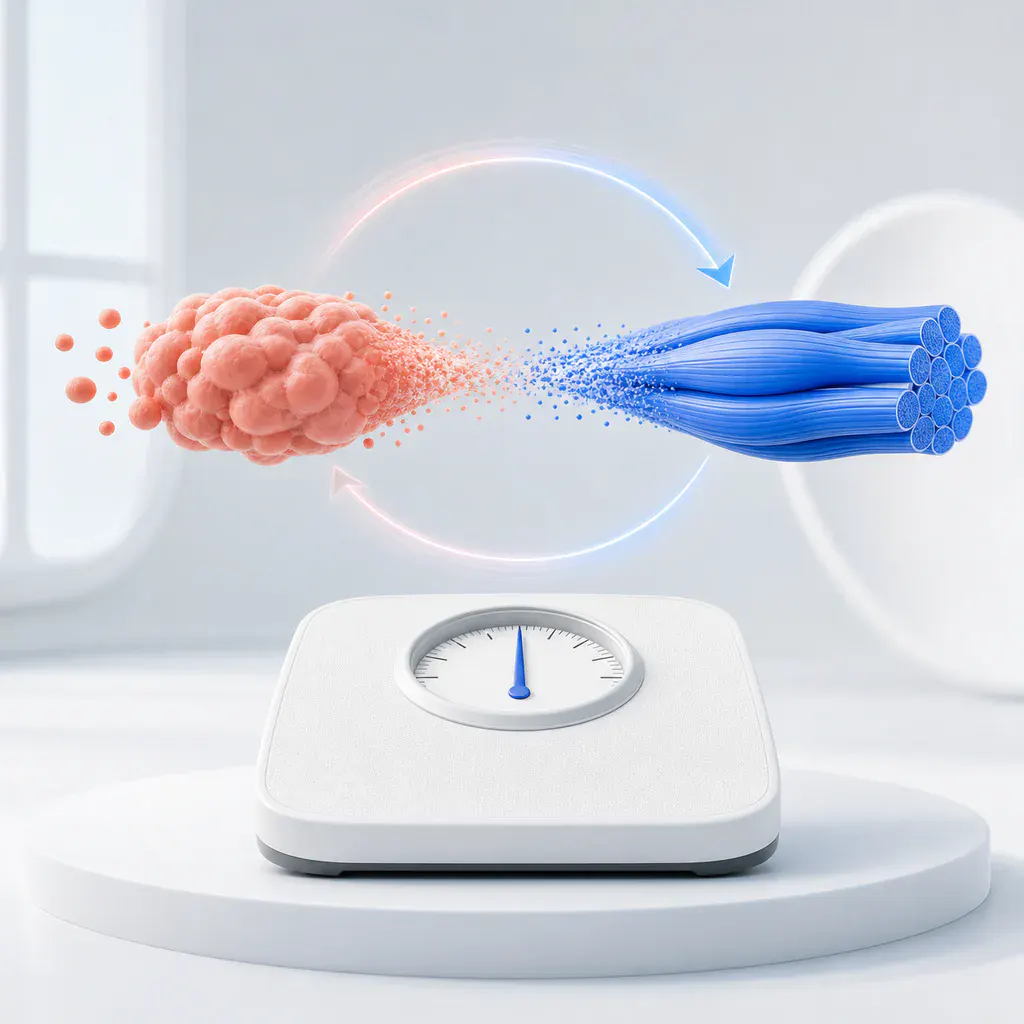
Body recomposition means losing fat and gaining muscle at roughly the same weight. See who it works best for and how to spot it on InBody results.
Recomposition, weight loss, protein, menopause, GLP-1 or metabolic health — topics where measurement is the input, not the goal.
Measurement
The main page about body composition measurement, result output and the visit.

Body recomposition means losing fat and gaining muscle at roughly the same weight. See who it works best for and how to spot it on InBody results.

Skinny fat (normal-weight obesity) means a normal weight and BMI but higher body fat and lower muscle. Here's how to spot it, since the scale won't.

How to read InBody during fat loss: fat mass, muscle mass, water, scale weight and why a lower number is not always a better result.

Weight loss on GLP-1 medication can include muscle, not just fat. How InBody shows the difference, how to reduce the risk, and when to see a doctor.

Menopause reshapes the ratio of muscle, fat and water in your body regardless of weight. Learn why it happens and how InBody makes it visible over time.

Does creatine make women retain water, or is it a myth? See what InBody data (TBW, ECW/ICW) shows and how to tell creatine's effect apart from your cycle.

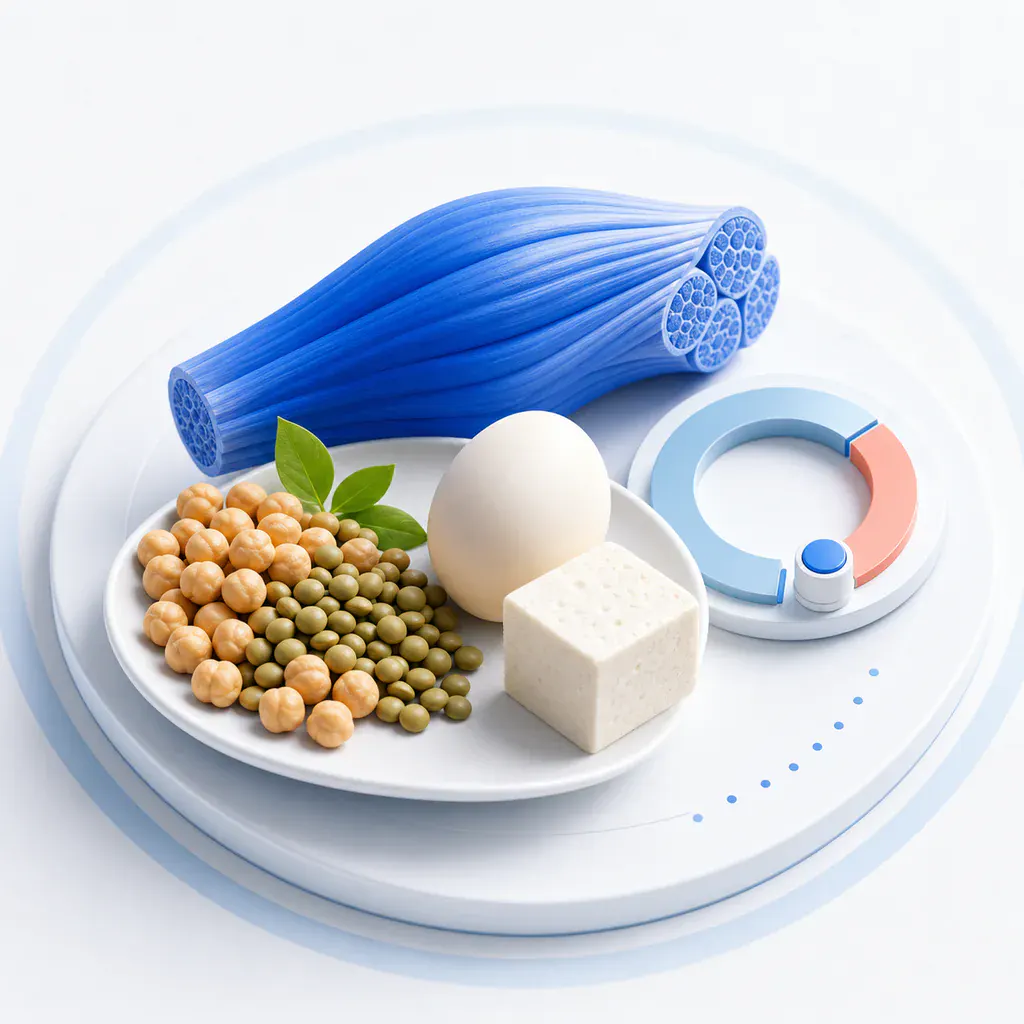
How many grams of protein per day is optimal by body weight, age and goal, how to calculate your target, when to spread it through the day, and where InBody fits in.

A blood test still beats bioimpedance for glucose or cholesterol, but InBody, a blood pressure monitor and Max Pulse together reveal waist, visceral fat, muscle and HRV. How to read that picture correctly.

From 2026, Czech preventive checkups add waist circumference as a risk marker. Here's what it shows, what it misses, and how InBody fits between visits.

Biological age isn't the same as InBody's metabolic age. We explain the difference and compare DNA age tests with functional markers: grip strength, phase angle and vascular age.
The most useful context comes from your own result and repeat visits over time.