
Start here
8 minHow to read InBody results and what actually matters
First identify which values have practical meaning, how they relate to one another and why no single number can describe your whole body composition.
Articles about body composition measurement, InBody 970/970S results, muscle, fat, water and long-term trends.
Measurement
The main page about body composition measurement, result output and the visit.
Start here
8 minFirst identify which values have practical meaning, how they relate to one another and why no single number can describe your whole body composition.
How InBody works, what affects the result and how repeated visits become a useful trend.

How to read your first InBody result without panic, what to use as a baseline, why preparation matters and how result history makes the next visit more useful.

A practical explanation of bioelectrical impedance, InBody body composition estimates, body water, repeatability and why trend matters more than one isolated result.
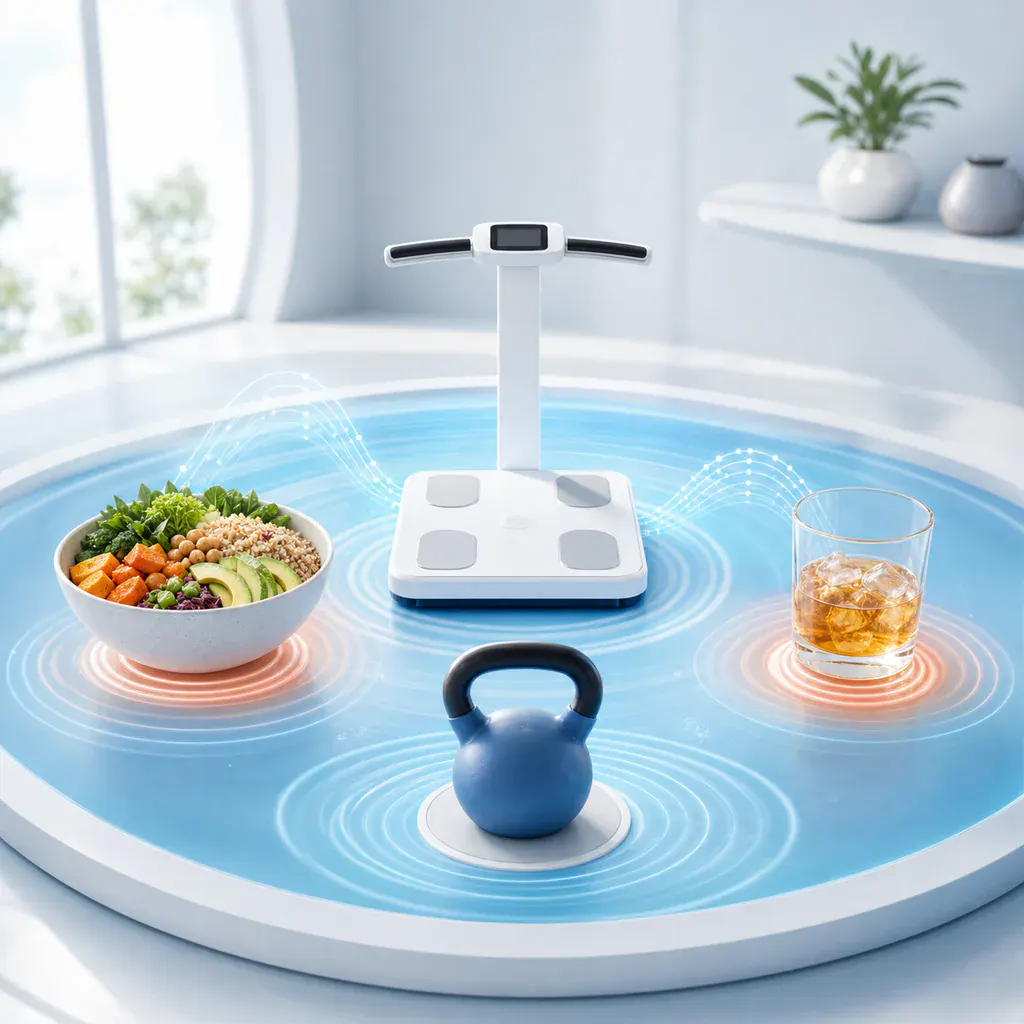
How hydration, exercise, food, alcohol, sauna, sleep and time of day can shift an InBody result and why comparable conditions matter for trend tracking.

How to read repeated InBody results: trend, comparable conditions, fat, muscle, water and what not to conclude from one noisy measurement.

Why InBody may look worse after training, diet change, water shifts or recovery stress, and how to decide whether it is real change or measurement noise.

How to choose a useful InBody testing interval for fat loss, muscle gain and general tracking, when an earlier retest makes sense and why testing too often often adds noise.

How InBody 970, InGrip, BPBIO750 and Max Pulse complement each other: body composition, functional strength, blood pressure and regulatory context.
Core body-composition values and their practical use for weight change, sport and muscle gain.

How to read percent body fat on InBody next to fat mass, muscle mass, water, visceral fat and trend instead of relying only on generic tables.

How to read skeletal muscle mass on InBody, why segmental lean analysis is not isolated pure muscle, how water affects results and why strength is not the same as muscle mass.

Why BMI is only rough orientation and how InBody adds body fat, muscle mass, water and trend for a more useful body composition picture.

InBody 970/970S does not report metabolic age. Learn how some other scales create the number, why it is not biological age and what to track instead.

What BMR on an InBody result means, why it is linked to fat-free mass and why it should not be used as a complete calorie prescription.
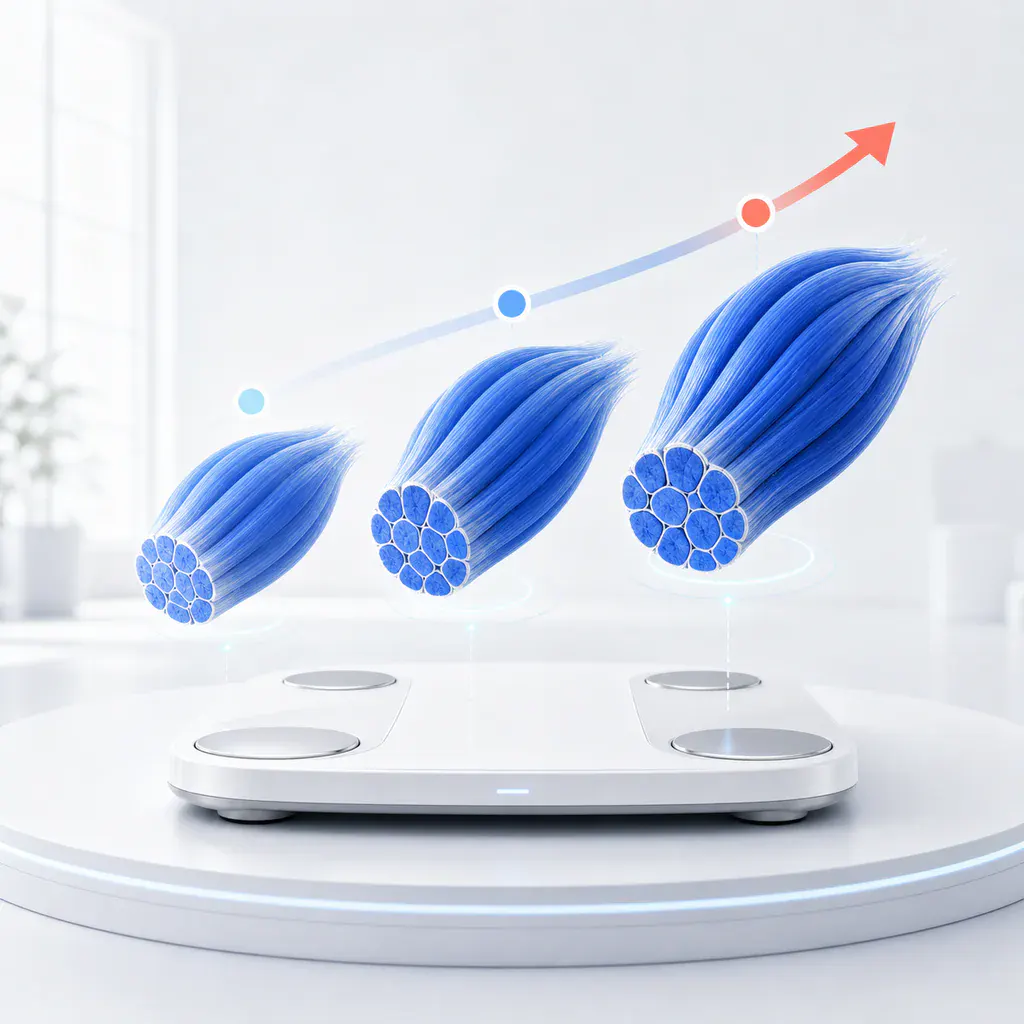
How to use InBody to track whether muscle is likely increasing over time, without confusing scale weight, water or glycogen shifts with real progress.

How athletes can use InBody for muscle, fat, water, segments and trend without turning one result into a performance diagnosis.
What adds detail beyond the overview and why water, segmental values and phase angle need context.

How to read total body water, intracellular and extracellular water, ECW/TBW and why water context can explain surprising InBody results.
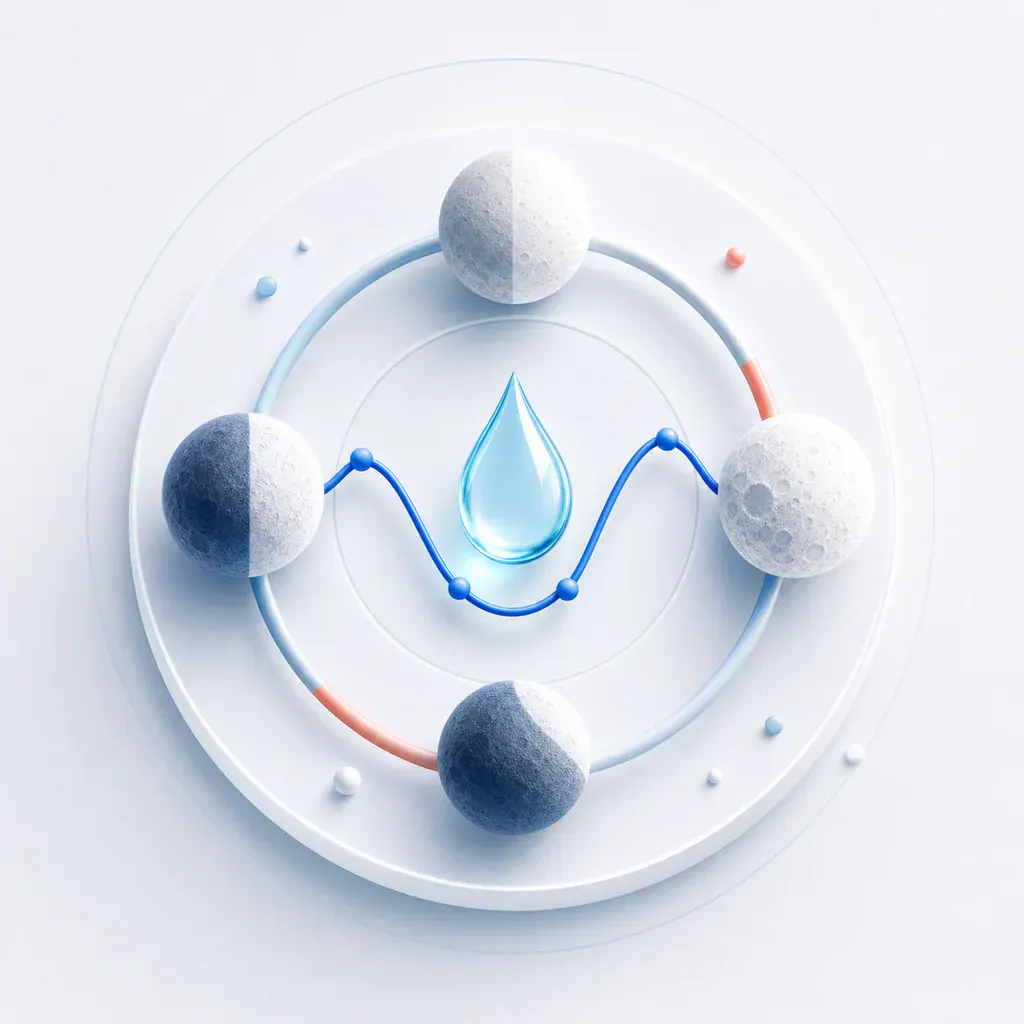
How women can read InBody results in the context of the menstrual cycle, water retention, PMS, training and repeat testing under similar conditions.

How to read segmental analysis on InBody, what lean mass in each segment means and why asymmetry should be interpreted with water and trend.

A careful explanation of phase angle on InBody, how it relates to bioimpedance, body water and cell context, and why it should not be treated as a standalone health score.
The most useful context comes from your own result and repeat visits over time.